
What if there were a way to inject a little humor, a little relatability, and a whole lot of engagement into your courses? Enter the meme: those quirky, often sarcastic, and always viral images that have become the dialogue of the internet. These bite-sized cultural phenomena offer a surprising array of benefits for both students and educators.
The concise visuals and often relatable captions in memes can act as powerful cognitive shortcuts. They can simplify complex ideas, highlight key takeaways, and even provide a memorable anchor for abstract concepts. The humor inherent in many memes can lighten the mood in the classroom, making intimidating subjects feel more approachable and fostering a more relaxed learning environment.
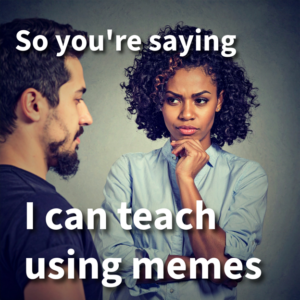
Memes often rely on shared cultural knowledge and implicit understanding. To truly “get” a meme, one needs to interpret its layers of meaning, often drawing on broader social, political, or historical contexts. Used effectively, meme analysis can be surprisingly effective tool for developing critical thinking skills. Asking students to create their own memes based on course material encourages them to synthesize information, identify key themes, and express their understanding in a creative and concise format.
University life can be stressful and isolating. Shared humor, especially through relatable memes about academic struggles or triumphs, can create a sense of community among students. When professors incorporate memes into their teaching, it can also bridge the perceived gap between educator and student by showing that instructors understand the student experience. This relatability can lead to increased comfort, which in turn fosters a more open and productive learning environment.
Memes can be integrated into discussions, used as prompts for creative writing assignments, or even serve as quick, informal assessments of understanding. However, it is important to be judicious. Using memes in the classroom requires thought and intention. Memes are effective learning tools, but they are not the focus of your course, so don’t overdo it. Memes should relate to the course and its learning objectives.
The world of higher education is constantly evolving, and so too should its pedagogical approaches. By embracing the power of memes, you can tap into a rich vein of cultural literacy, boost engagement, and create a more dynamic, relatable, and effective learning experience for students.
Want to learn more? Join me on March 17 for my online workshop: Teaching Digital Literacy with Adobe Express: Memes. Come try it for yourself! By the end of the workshop, you’ll have a few memes of your own and some new ideas for bringing digital literacy into your teaching.
