

As educators, we often talk about creating an effective learning environment in our classrooms—but what does that look like when students are living through trauma in real time?
It’s 2025, and while AI can automate our routines, it cannot automate empathy. Many students—and educators—are navigating real-time trauma rooted in immigration enforcement. Allow me to share something personal. I’m a naturalized U.S. citizen—meaning I was born outside the United States of America, but I became a U.S. citizen after immigrating here. My children were born here and are also US citizens.
In recent months, federal immigration agents have intensified their presence across the greater Chicagoland area—not only in the city but also in surrounding suburbs and communities as far west as DeKalb. Many of our NIU commuters live in these areas, and the fear and disruption caused by immigration enforcement reach well beyond city limits.
 The ethnic profiling practices of federal agents are questionable at best and arguably unlawful. They target people who look and speak in certain ways. People like me, my children. People who aren’t White. I now carry a copy of my U.S. passport and my children’s birth certificates every time we leave home, a precaution that underscores how fragile “safety” can feel for communities of color, regardless of citizenship status. Under the current political climate, federal immigration agents could detain me and transport me to an unknown location without due process, as they have with over 170 U.S. citizens.
This is not just my story. It’s the story of many of our students, faculty, and staff—especially those from the global majority, which in the USA we tend to refer to as the racially and ethnically marginalized communities. With the majority of NIU’s students identifying as people of color, trauma-informed teaching isn’t optional—it’s essential.
Understanding Trauma’s Impact on Learning
Many NIU commuters from the Chicagoland area have been navigating the fear and instability caused by intensified immigration enforcement. For some, this means worrying about being detained unlawfully (like me) or about family members being detained without due process. For others, it’s the emotional toll of uncertainty, stigma, and disrupted routines. These experiences don’t stay at home; they show up in our classrooms, often silently.
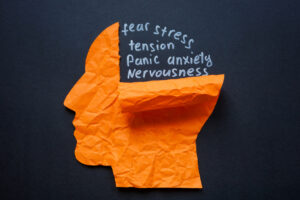 Research shows that trauma disrupts focus, memory, and emotional regulation—all essential for learning. That’s why trauma-informed teaching isn’t just compassionate; it’s evidence-based. By recognizing how trauma affects students’ ability to learn and engage, we can build classrooms that support healing, safety, and growth.
What Trauma-Informed Teaching Really Means
SAMHSA provides six guiding principles that form the foundation of trauma-informed practice: Safety, Trustworthiness and Transparency, Peer Support, Collaboration and Mutuality, Empowerment, Voice and Choice, and Cultural, Historical, and Gender Issues. NIU’s Center for Innovative Teaching and Learning offers comprehensive resources and workshops on implementing these principles in your classroom.
In the context of the current immigration crisis, here are some immediate, practical ways we can apply these principles.
Putting Trauma-Informed Principles into Practice
- Create a sense of safety and predictability by establishing clear expectations and consistent communication. Emotional and psychological safety are as important as physical safety.
- Build trust through transparency by explaining the reasons behind policies and offering grace periods for students facing personal challenges.
- Foster peer support to combat isolation; encourage collaboration and group activities.
- Share power by inviting students’ input on assignments and being open to feedback to identify learning barriers.
- Empower students with choice to restore their agency by providing options on how they demonstrate learning and participate in class.
- Acknowledge systemic context: recognize that students from marginalized communities may carry the weight of historical and ongoing trauma from racism and discrimination. Discuss current events affecting your students; silence can seem indifferent.
Connecting Students with Safety and Support
 As classroom instructors, we can’t solve every problem our students face, but we can connect them with support. It’s important to familiarize yourself with university resources and share them proactively:
- If U.S. Immigration and Customs Enforcement (ICE) Comes to Campus
- Know Your Rights
- Undocumented Student Resource Center
- Counseling and Mental Health Services
- Academic Support Services
Rigor and Care Can Coexist
Trauma-informed teaching doesn’t mean lowering standards—it means teaching with context. Learning happens best when students feel safe and seen. Recognizing emotional distress allows us to uphold rigor with compassion. When I’m distressed, it’s difficult to focus and perform at my best, even with resources and legal support available to me. I can only imagine the weight some of our students, faculty, and staff from the global majority community carry every day. Recognizing that emotional burden doesn’t weaken academic rigor—it strengthens our commitment to equitable learning.
Forward Together
As immigration enforcement continues to affect our communities, let’s commit to teaching with both rigor and care. Trauma-informed teaching isn’t a special accommodation—it’s simply good teaching, rooted in humanity.
If you’re interested in learning more about implementing trauma-informed teaching practices, I encourage you to explore the resources available through NIU’s Center for Innovative Teaching and Learning (CITL), which include a recorded workshop.
